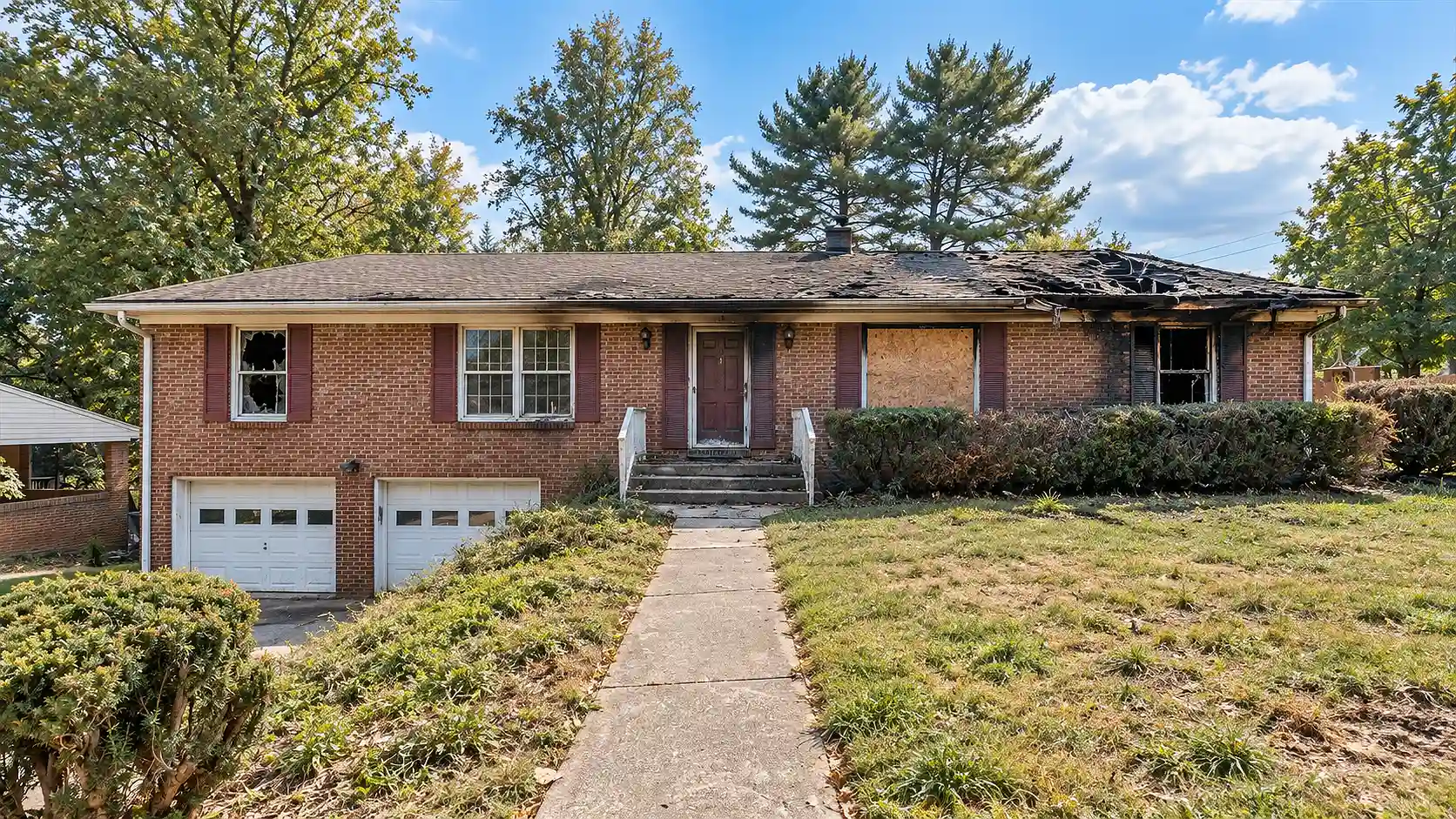
Selling After a House Fire: Start With the Condition and Your Options
You can explore selling a fire-damaged house in Virginia without first committing to a full restoration. The right path depends on the extent of the damage, insurance and mortgage requirements, the money and time needed for repairs, and the terms a buyer is willing to offer.
For a Roanoke Valley homeowner, the first useful comparison is between restoring and listing, listing the property in its current condition, and requesting a direct as-is offer from Big Lick Home Buyers, LLC. A direct buyer is one option; an agent may also market a damaged house to buyers prepared to take on the work.
Keep people out of the property until the appropriate authorities or qualified professionals say access is safe. A fire can affect more than the visibly burned area. Smoke, water used in firefighting, electrical systems, and structural components may all need assessment.
Repair First, List As-Is, or Sell Directly?
Restore, Then List
This may fit when the repair scope is understood, funding is available, and you can manage the project. A restored home may appeal to more buyers, but a higher eventual price must be compared with restoration expenses, selling costs, and the time involved.
Get written scopes and realistic schedules from qualified contractors. Ask which permits and inspections are included and what could change the estimate.
List in Current Condition
An agent can discuss marketing the house as it stands. The condition may limit some buyers’ financing options, and buyers may request inspections or additional information.
Ask how the price recommendation reflects the damage, what preparation is necessary for safe access, and which contract conditions could delay or prevent closing.
Request a Direct Offer
A buyer willing to handle restoration may offer a way to sell without managing that project yourself. The offer will reflect the current condition, expected work, and the buyer’s costs and risk.
Read the agreement for the price, property-review conditions, fees, and closing date. Cash funding does not by itself eliminate title work, inspections, or other contract requirements.
A Worksheet for Comparing the Real Cost of Each Route
Use the same categories for each option. Put an actual written offer beside an agent’s estimated sale price, and label estimates clearly until you have quotes.
- Starting amount: expected sale price or written as-is offer.
- Property work: your share of assessments, cleanup, restoration, permits, and any agreed repairs or credits.
- Selling expenses: negotiated brokerage compensation, title and settlement charges, and other costs allocated to you.
- Amounts due at closing: mortgage payoff, taxes, liens, and other obligations identified by the settlement professional.
- Cost of waiting: interest, insurance, taxes, utilities, security, and upkeep during the additional time you retain the property.
- Insurance: keep confirmed payments separate from amounts still dependent on repairs, documentation, or policy conditions.
Do not deduct the same expense twice. For example, principal paid while waiting reduces the later mortgage payoff, and an insurance-funded repair should not also be treated as entirely out of pocket. Ask your insurer and settlement professional to help reconcile the figures that apply to your sale.
How This Works for a Typical Fire-Damaged House
Suppose a kitchen fire leaves smoke damage in several rooms and water damage below. A contractor’s first estimate covers visible restoration, but electrical evaluation and the condition behind walls remain unresolved. The owner is deciding whether to manage the repairs or sell the house in its current condition.
First, separate the work already assessed from the unknowns. Ask the contractor what the estimate includes, what is excluded, and how additional damage would be priced. Ask the insurer which payments are approved and which depend on completing work. Then obtain an as-is offer based on the same information.
If retaining the house costs $950 a month in interest, taxes, insurance, utilities, and upkeep, an extra four months adds $3,800. That is a simple way to test the effect of a delay, not a repair-price estimate or a prediction for your house. Substitute your own expenses and compare more than one possible completion date.
The decision becomes clearer when both routes account for unresolved work, the money you would need upfront, and the time you can realistically devote to the property.
Insurance Questions to Resolve Before a Sale
Keep the insurance claim and purchase agreement coordinated. Ask your adjuster and mortgage servicer:
- Which payments are approved, and which depend on repairs or replacement?
- How would selling before restoration affect remaining benefits or claim documentation?
- Does the lender need to endorse or control any insurance payment?
- What temporary protection, access, and documentation are required while the property is vacant?
- Are there outstanding deadlines, contractor commitments, or payment conditions?
The Virginia Bureau of Insurance’s loss guide recommends prompt contact with the insurer, documenting damage, keeping temporary-repair receipts, and obtaining written estimates. It also explains that a mortgage lender may have requirements for disbursing insurance funds. Get answers specific to your policy before assuming you can keep every payment or that a sale transfers the claim.
Gather a Fire-Damage Sale File
- Available fire incident reports and photos taken when access was safe
- Adjuster correspondence and a record of payments received or pending
- Restoration estimates, inspection reports, invoices, and warranties
- Permit records and any building, occupancy, or code notices
- Ownership documents, mortgage information, and recorded-lien details
- A list of work completed and problems still unresolved
Share accurate information with the buyer and the professionals handling the transaction. Do not describe a house as fully restored simply because visible surfaces have been repaired. The local building department can explain the status of permits and any restrictions affecting the property.
Virginia Disclosure Requirements Need a Transaction-Specific Review
Virginia uses a buyer-due-diligence framework, alongside specific affirmative disclosure requirements. A broad statement that every fire-damaged property has identical disclosure obligations is not reliable. Review DPOR’s current disclosure forms with your agent or attorney, including any form relevant to a pending building-code enforcement action. Selling as-is does not justify hiding damage or making inaccurate statements.
Discuss Your Virginia Fire-Damaged Property
You can contact Big Lick Home Buyers, LLC before deciding whether to restore the house. Tell us the address, known condition, whether access is permitted, and your preferred timing. We can discuss a direct offer that you can compare with your other options.
540-251-2131 | Contact Big Lick Home Buyers
Considering repairs? Read our guide to checking contractor insurance in Virginia.
